

About McQueen Speech Collective
McQueen Speech Collective is a private speech-language practice founded and led by Kai McQueen, MS, CCC-SLP, serving children, families, and pediatric communities throughout the Charlotte area.
The “Collective” reflects our belief that communication is supported by more than one person. Parents, caregivers, educators, and other trusted adults all play an important role in helping children communicate, connect, and thrive.
Through personalized guidance, practical resources, community-based services, and meaningful opportunities for communication, MSC brings speech-language expertise into the everyday moments where it matters most.
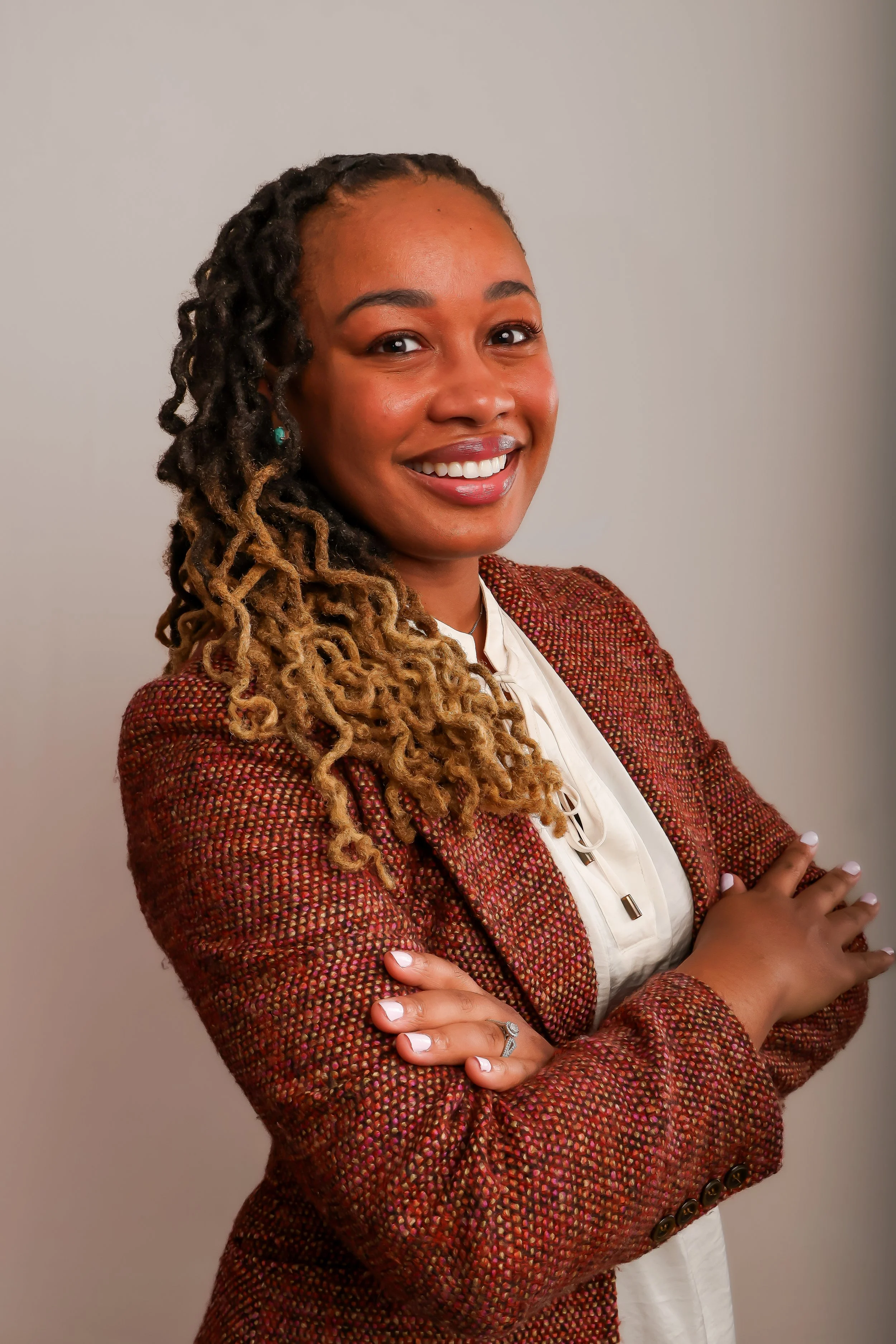
Meet the Founder
Hi, I’m Kai, a pediatric speech-language pathologist, toddler mom, Charlotte native, and the founder of McQueen Speech Collective.
As both an SLP and a parent, I understand how important it is to feel informed, supported, and confident when it comes to your child’s communication. I created MSC to bring practical, personalized speech-language expertise into the places where communication actually happens: at home, at school, and in everyday life.
Why I Created MSC
After working in schools and more traditional therapy settings, I kept seeing the same pattern:
Families felt disconnected from the process. McQueen Speech Collective was created to offer a more intentional, relationship-based approach where families feel supported, children feel understood, and progress is built through consistency and collaboration.
How I Approach Therapy
My approach is grounded in connection, curiosity, and practicality. I consider each child’s strengths, interests, communication style, and everyday environment to provide support that feels meaningful and achievable.
Whether I’m consulting with a family, creating personalized resources, supporting parents, or facilitating peer interaction, my goal is simple: help children communicate confidently and help the adults around them feel equipped to support them.
A Bit More About Me
I was raised in the Charlotte area, so it’s especially meaningful to serve the community that raised me. Outside of MSC, I’m a wife and toddler mom. Motherhood has deepened my understanding of development, communication, and what meaningful support looks like in real life.
Professional Credentials
Education & Licensure:
• Master of Science in Speech-Language Pathology, New York University
• ASHA Certified Speech-Language Pathologist (CCC-SLP)
• Licensed Speech-Language Pathologist, North Carolina
Clinical Focus Areas:
Early language development, late talking, communication delays, social communication, pragmatic language, and functional communication
Approach to Care:
• Strengths-based and child-centered
• Naturalistic and play-based
• Caregiver-centered and collaborative
• Routines-based and functional
• Neurodiversity-affirming
• Natural Language Acquisition, when clinically appropriate
• ASL-informed baby sign and multimodal communication